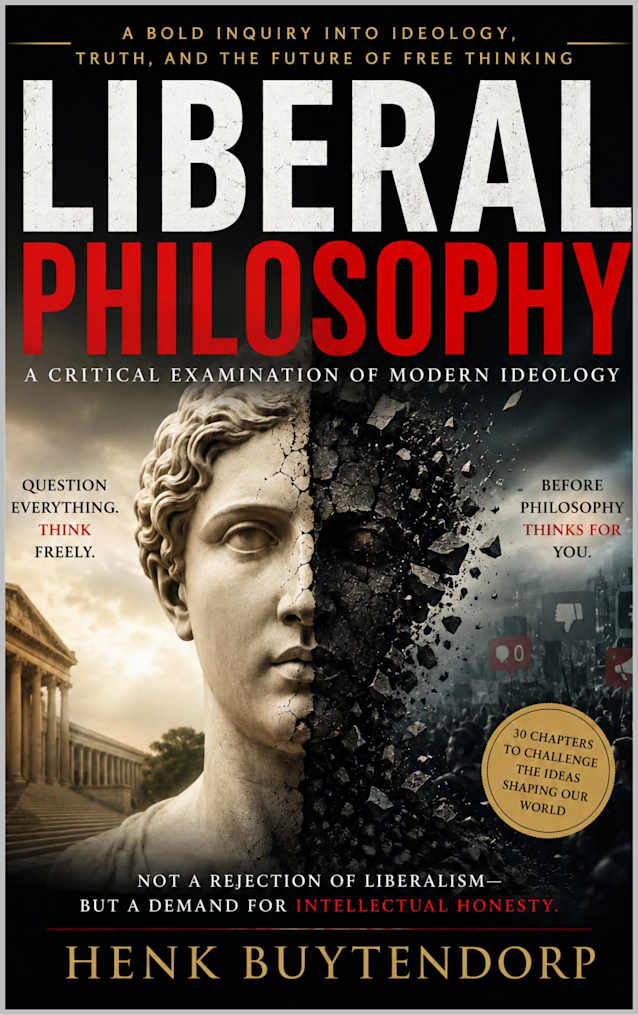
Liberal Philosophy: A Critical Examination of Modern Ideology
About
This chapter traces the evolution of liberal philosophy from its Enlightenment origins to its modern, contested form, focusing on how its core assumptions have shifted over time. Classical liberalism emerged from Enlightenment thought, which emphasized reason, individual dignity, and skepticism toward traditional authority. It promoted the idea that humans are rational agents capable of self-governance and that societies could be improved through reasoned institutional design. This foundation supported key principles such as individual rights, limited government, equality before the law, and free exchange in markets.
However, the Industrial Revolution exposed limitations in classical liberalism by revealing persistent inequality and structural disadvantage. The Industrial revolution ; This led to social liberalism, which expanded the role of the state to include welfare, education, and labor protections, reframing liberty to include access to opportunity. In the 20th century, world wars and totalitarian threats further reshaped liberalism, leading to mixed economic systems and global human rights frameworks.
By the late 20th and early 21st centuries, liberal thought shifted toward identity, culture, and institutional power, influenced by postmodern and critical theory. Modern liberalism increasingly emphasizes equity, lived experience, and structural analysis of inequality. While retaining commitments to dignity and rights, it reinterprets them through new frameworks. The chapter concludes that liberalism is not static but continuously evolving, shaped by history, institutions, and changing understandings of reason, truth, and justice.